close

News
Date published:
November 8, 2026
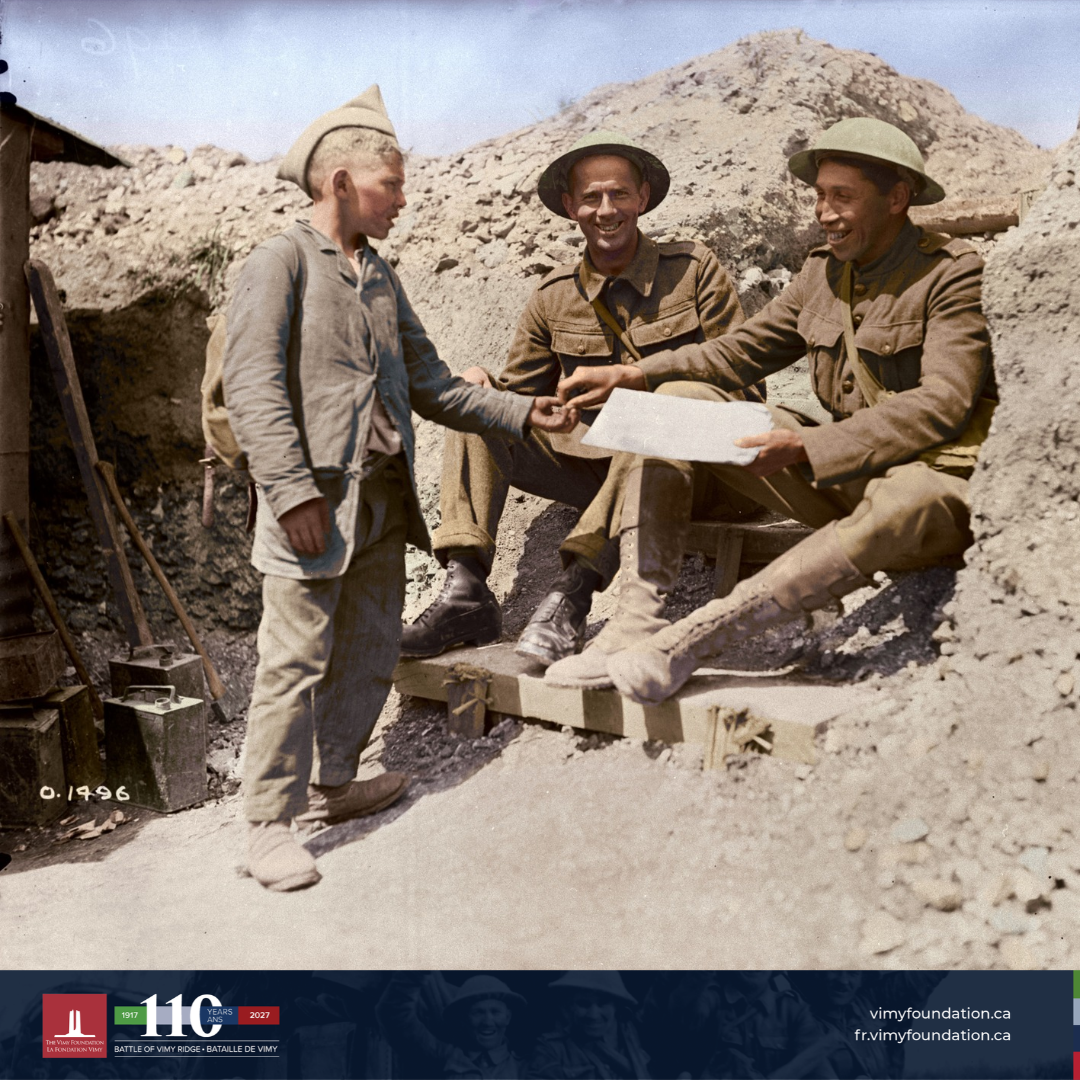
This Indigenous Veterans Day, we remember Tom Longboat, an Onondaga distance runner from Six Nations of the Grand River whose achievements in athletics and service during the First World War left a lasting mark on Canadian history.
Born in 1886 at Six Nations of the Grand River in Ontario, Thomas Charles Longboat, known by his Onondaga name Cogwagee, became one of the most accomplished distance runners of the early 20th century.
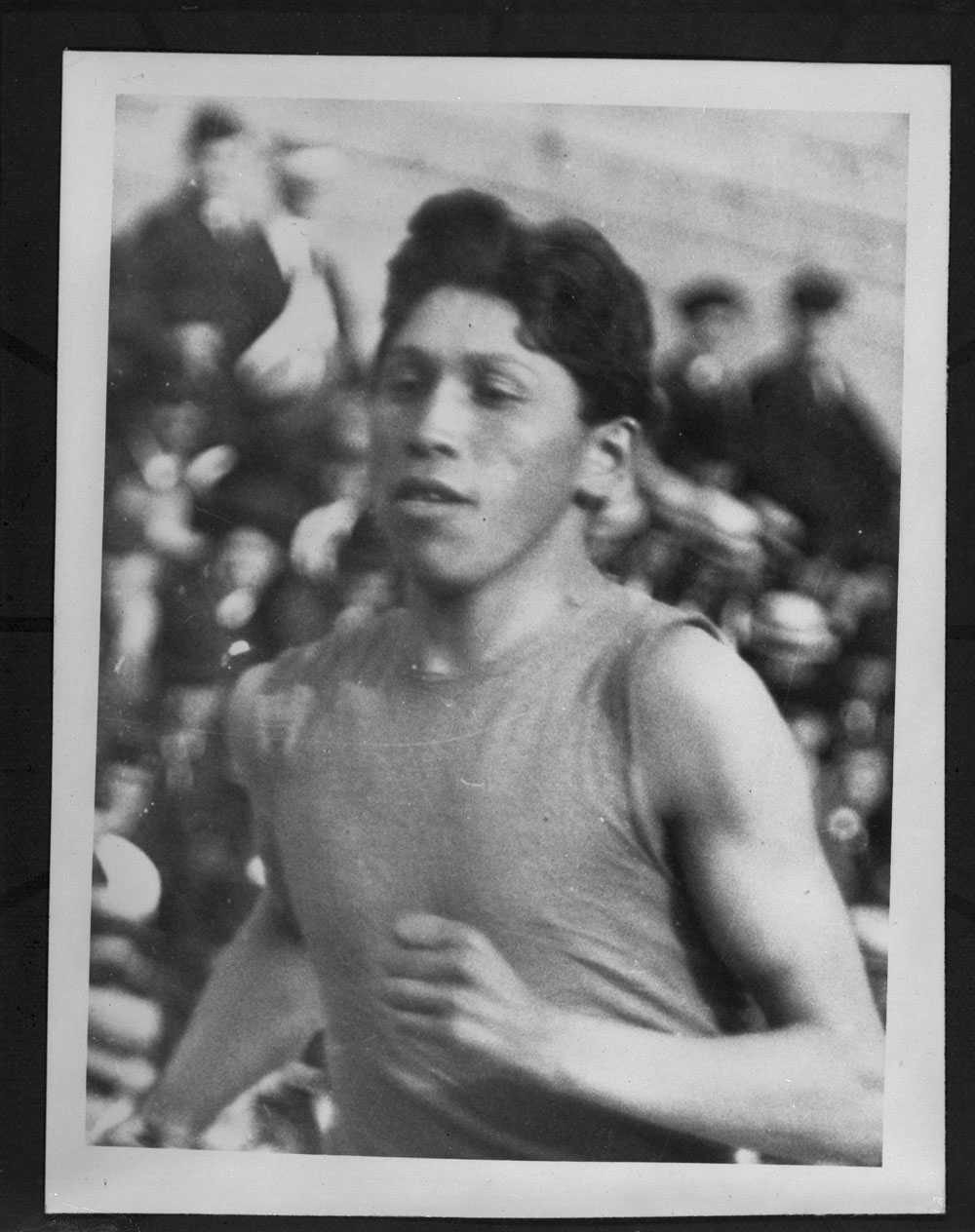
Longboat first attracted national attention in 1906, winning the Around the Bay Road Race in Hamilton, Ontario. The following year, at just 20 years old, he won the Boston Marathon in a record time of 2 hours, 24 minutes and 24 seconds, finishing more than five minutes ahead of the previous course record. His victory established him as an internationally recognized athlete.
In 1908, Longboat represented Canada at the Olympic Games in London, competing in the men's marathon. Although he did not finish the race, he continued his professional running career and, in 1909, won the world professional marathon championship at Madison Square Garden in New York. He would go on to set further records and establish himself as one of the leading distance runners of his generation.
Despite his success, Longboat's career was marked by considerable prejudice. As an Indigenous athlete competing in an era of widespread racism, he frequently faced criticism from the press and sporting establishment. His unconventional training methods were also questioned, with commentators often attributing his performances to his natural abilities rather than his preparation and discipline.
In February 1916, at the age of 29, Longboat put aside his professional running career and enlisted in the Canadian Expeditionary Force during the First World War. He was assigned to the 107th Pioneer Battalion and served as a dispatch runner in France and Belgium.
Before widespread radio communications, dispatch runners played an essential role in maintaining communication between military units. They carried messages and orders across the battlefield, often travelling through dangerous areas exposed to enemy fire and artillery. Longboat's exceptional running ability made him well suited to the task, but it also placed him in considerable danger.
During his service, Longboat was wounded twice and was mistakenly reported killed. He continued to serve despite these experiences and maintained his competitive running abilities by participating in military sporting competitions. In 1918, he won the eight-mile race at the Canadian Corps Dominion Day competitions.
Longboat survived the war and returned to Canada in 1919. Although he did not resume his professional running career, his connection to military service continued. During the Second World War, he also served with the Veterans Guard at a military camp near Brantford, Ontario.
Tom Longboat died in 1949 at the age of 62. His contributions to Canadian sport were formally recognized through his induction into Canada's Sports Hall of Fame in 1955. He was also designated a National Historic Person by the Government of Canada in 1976.
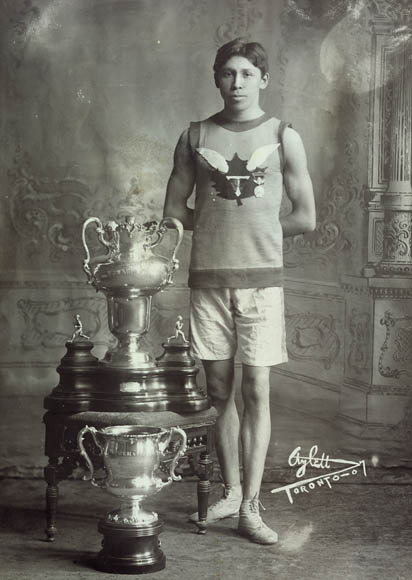
Today, Longboat is remembered not only for his extraordinary athletic achievements, but also for his service during the First World War. His experiences reflect the contributions of Indigenous people to Canada's military history, many of whom served despite facing discrimination and barriers to recognition.
On Indigenous Veterans Day, we remember Tom Longboat and recognize his contributions, alongside those of the thousands of First Nations, Inuit and Métis people who have served in Canada's military.
Check out our products in our boutique
View All Products

$ 25.00
$ 25.00

$ 300.00
$ 300.00

$ 300.00
$ 300.00
