close

News
Date published:
November 10, 2026
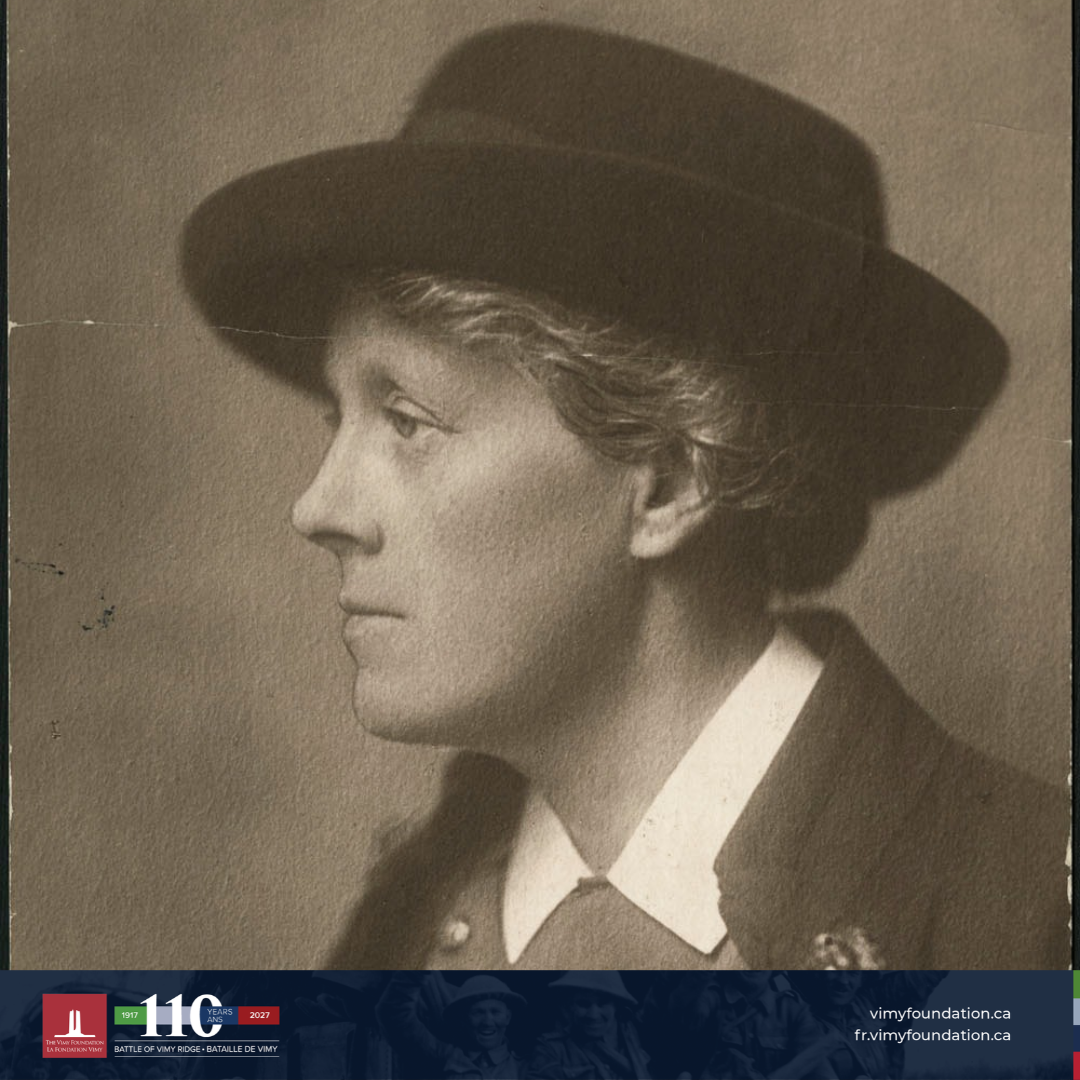
Born on February 26, 1873, in Bailey's Brook, Nova Scotia, Margaret Clothilde Macdonald pursued a career in nursing at a time when opportunities for women in the military were limited. After completing her nursing education at the New York City Hospital in 1895, she gained experience caring for soldiers during the Spanish-American War and later served with Canadian forces during the South African War. These early experiences helped establish her reputation as a military nurse and prepared her for the responsibilities she would assume during the First World War.
In 1906, Macdonald joined the permanent nursing service of the Canadian Army Medical Corps, becoming one of the organization's first full-time nursing sisters. She took an active interest in military medical administration and, in 1911, travelled to England to study the organization and procedures of the British military nursing services. The knowledge she gained would prove valuable when Canada entered the First World War in August 1914.
At the outbreak of war, Canada's military nursing service was still relatively small, consisting of fewer than 30 nurses, only five of whom were permanent members. With the Canadian Expeditionary Force preparing to deploy overseas, the military needed to rapidly expand its nursing personnel and establish an organized system for their recruitment and deployment.
Macdonald was appointed Matron-in-Chief of the Canadian Nursing Service in 1914 and tasked with organizing this expansion. From Ottawa, she helped coordinate the recruitment and selection of nursing sisters from across Canada, assessing their professional qualifications and preparing them for military service. The response was substantial, with thousands of women volunteering to serve. By the end of the war, approximately 2,800 Canadian nursing sisters had served overseas.
With her appointment came the rank of major, making Macdonald the first woman in the British Empire to attain that military rank. Her position placed her at the head of Canada's overseas nursing service, with responsibility for the administration, deployment and welfare of Canadian military nurses.
Macdonald established her wartime headquarters in London, England, from where she oversaw nursing personnel serving throughout the European theatre. Canadian nursing sisters were stationed in general and stationary hospitals, casualty clearing stations and other medical facilities in Britain, France, Belgium and Greece. Some worked close to the front lines, treating soldiers evacuated from the battlefield, while others cared for wounded and sick servicemen in hospitals further behind the lines.
The responsibilities of the nursing sisters were considerable. They treated soldiers suffering from severe battlefield injuries, infectious diseases and the physical consequences of prolonged military service. Their work involved caring for patients following major offensives, assisting with surgical procedures and supporting the recovery of thousands of wounded servicemen.
Macdonald's responsibilities extended beyond recruitment and administration. She regularly inspected Canadian medical facilities, monitored working conditions and addressed the needs of nursing personnel stationed overseas. She also coordinated the assignment and movement of nurses between hospitals as military operations and medical requirements changed throughout the war.
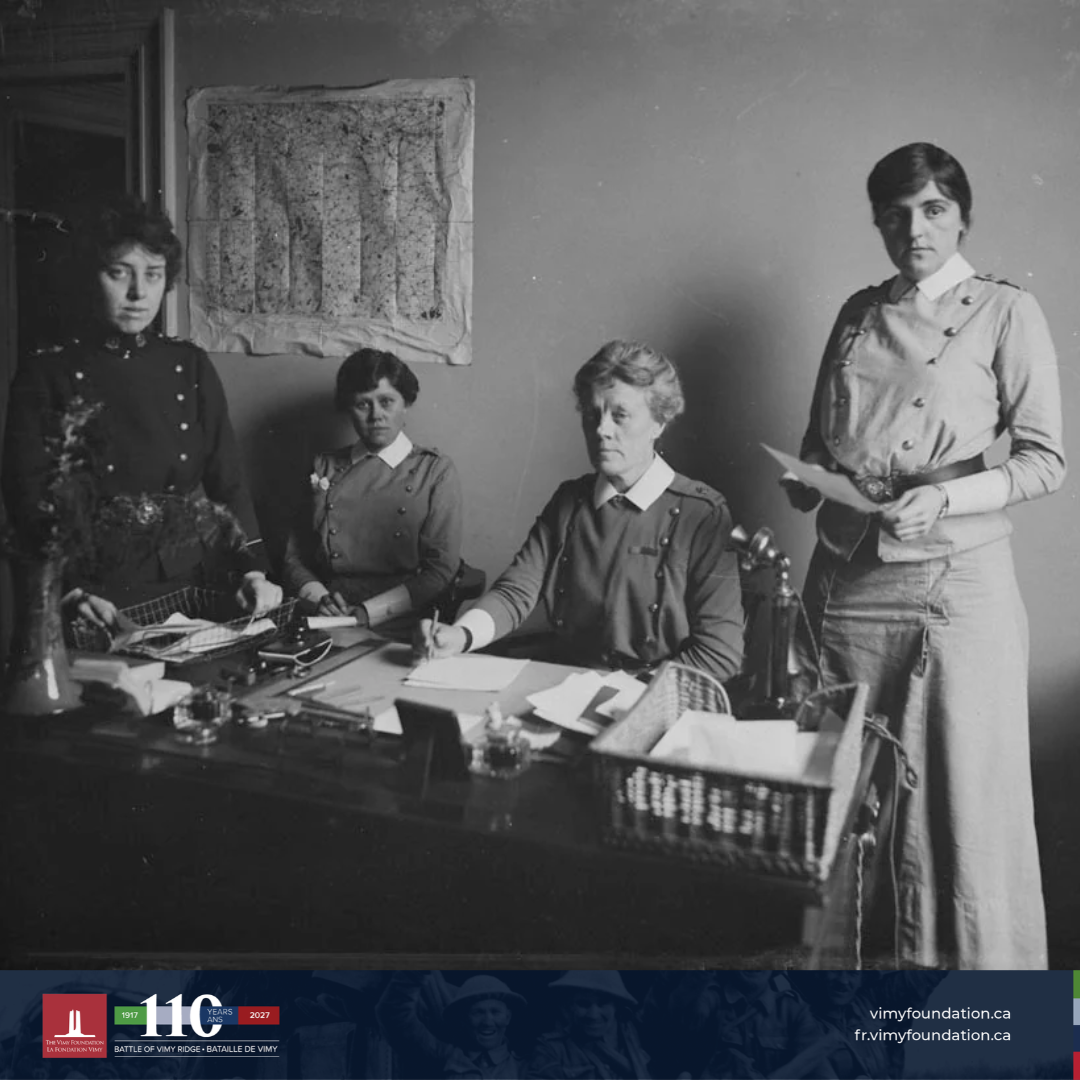
Her position required her to maintain communication with military authorities while ensuring that Canadian nursing sisters had the necessary resources and support to carry out their duties. As the Canadian military medical service expanded, Macdonald played an important role in maintaining its organization and professional standards.
The work of Canadian nursing sisters also came with considerable risks. Medical facilities were not always beyond the reach of enemy attacks, and nurses frequently worked in difficult conditions while treating large numbers of casualties. During the war, 53 Canadian nursing sisters lost their lives on active service. Among them were 14 nurses aboard the Canadian hospital ship Llandovery Castle, which was torpedoed by a German submarine on June 27, 1918, while returning to Britain from Halifax.
In recognition of her contributions to military nursing, Macdonald was awarded the Royal Red Cross in 1916 and received the Florence Nightingale Medal in 1918. These honours recognized her leadership and service during a conflict that transformed the role of nursing within Canada's military.
Following the Armistice in November 1918, Macdonald remained in London to oversee the gradual demobilization of the overseas nursing service. She also worked on documenting the experiences and history of Canadian military nurses during the conflict. She returned to Canada in 1919, bringing an end to her years of overseas service.
Macdonald continued to maintain her connections with the nursing community after the war. She served as honorary president of the Overseas Nursing Sisters' Association of Canada and remained involved in commemorative activities recognizing the contributions of Canadian military nurses. In 1926, she participated in the unveiling of a memorial honouring the nursing sisters who had died during the First World War at the Parliament Buildings in Ottawa.
Margaret C. Macdonald died on September 7, 1948, in Bailey's Brook, Nova Scotia, at the age of 75.
Her contributions to Canada's military history were formally recognized on June 12, 1982, when the Government of Canada designated her a National Historic Person. A commemorative plaque was subsequently installed near her birthplace in Bailey's Brook.
Through her leadership of the Canadian Nursing Service, Macdonald helped organize and oversee the thousands of women who served as military nurses during the First World War. Her work contributed to the development of professional military nursing in Canada and helped establish a place for women within the country's armed forces.
Check out our products in our boutique
View All Products


$ 25.00
$ 25.00

$ 300.00
$ 300.00

$ 300.00
$ 300.00
